
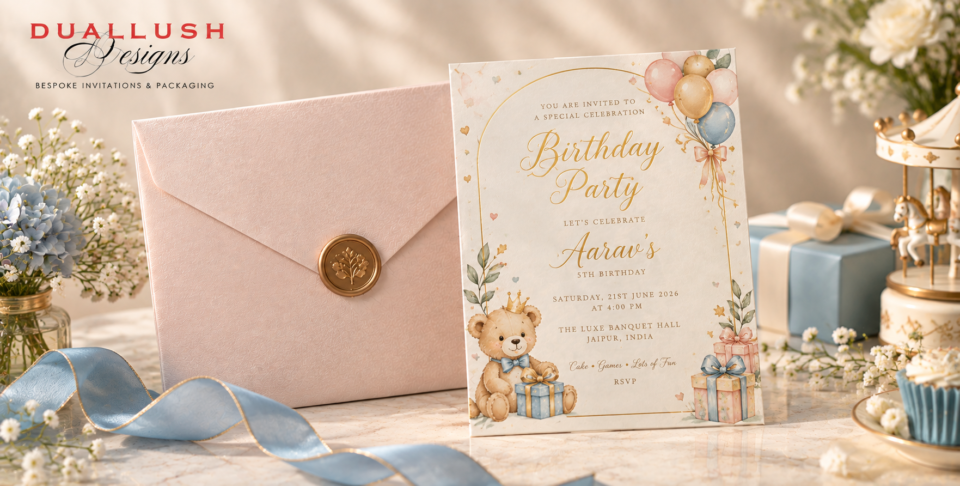
A birthday invitation has two jobs happening at once: it delivers the practical details guests need to show up, and it sets the emotional tone before a single decoration goes up. A first birthday invitation should feel sweet and simple. A 21st should feel exciting. A 60th should feel warm and genuinely celebratory. Getting that tone right matched to the actual milestone, not just a generic “party” template is what separates a forgettable invitation from one guests actually look forward to.
Here’s how to think through wording, formality, and materials for every age and stage.
The Six Things Every Birthday Invitation Needs
Regardless of age or theme, a complete birthday invitation should include:
- The guest of honor’s name and, if relevant, the milestone being celebrated
- Date and time
- Venue and full address
- RSVP deadline and contact method
- Any dress code or special instructions
- Optional but helpful: gift guidance, parking notes, or an adults-only notice if applicable
Everything else tone, color, material, illustration is where the invitation gets to reflect the specific celebration rather than just the logistics.
First Birthdays: Sweet and Simple
A first birthday is really a milestone for the parents as much as the baby, and the wording should stay warm, simple, and easy to scan. Address the invitation to the household rather than the child directly, mention the nap-friendly time window if relevant, and let guests know if there’s a smash-cake moment worth bringing a camera for. Soft, playful design pastel palettes, simple illustration, rounded typography suits this milestone far better than anything formal or heavily embellished.
Kids’ Birthdays: Playful and Theme-Driven
For young children, the invitation design usually does more work than the wording. A clear theme- animals, superheroes, a favourite show communicated through colour and illustration gives kids something to get excited about before the party even starts, and gives parents an easy cue for what to wear or bring. Keep wording short and legible; the actual audience reading the RSVP details is the adult, but the visual excitement is for the child.
Sweet 16s and Quinceañeras: Personality-Driven Milestones
These coming-of-age celebrations call for invitations built around the honoree’s personality and chosen aesthetic rather than a generic “birthday party” template with bold colour, glamorous finishes, and a design that feels unmistakably personal. Sweet 16 invitations in particular have moved toward premium materials like glitter or mirror-finish acrylic, since these finishes photograph well and match the celebratory, trend-forward mood of the event. Quinceañeras carry similar energy but often layer in cultural and family tradition, which can be reflected through colour symbolism, family crest details, or bilingual wording.
18th and 21st Birthdays: Marking a Legal Threshold
These milestones sit at a natural inflection point of legal adulthood at 18, and in the US, legal drinking age at 21, and invitations can range from an intimate family dinner to an all-night celebration with friends. Wording should match the event, not the age: formal wording signals a seated dinner, while playful, joke-forward wording (“the candles will technically be a fire hazard”) signals a livelier, more casual party. The key with humour-forward wording is specificity; a joke tailored to the actual person being celebrated reads far better than a generic age-related pun.
30th, 40th, and 50th Birthdays: Where Printed Invitations Matter Most
For milestone birthdays in this range, a printed invitation is almost always the right call, even in an era of digital-first event planning. A physical card signals that the event is worth getting dressed up for, and it gives guests something to display on a fridge or a bulletin board as a recurring visual reminder in the weeks leading up to the party. This is also where more elevated materials genuinely earn their keep: a foil-stamped or acrylic invitation signals a notch above a standard printed card, matching the “this one’s a big deal” energy these decade markers typically carry.
60th Birthdays and Beyond: Warmth Over Trend
For milestones at 60 and beyond, the tone should lean warm and appreciative rather than chasing whatever’s trendy in younger-skewing party invitations. Wording that invites guests to share a memory or written note alongside their RSVP adds a genuinely meaningful touch many younger-milestone invitations skip entirely. Classic, refined materials, heavier cardstock, elegant script, and understated foil tend to suit this age range better than bold, maximalist design choices.
Golden Birthdays and Cultural Milestones
A golden birthday, turning an age that matches your birth date, like 27 on the 27th, happens exactly once, and it’s worth explaining briefly on the invitation itself, since a meaningful share of guests will be learning the term for the first time. Cultural milestone birthdays carry their own weight too: a Japanese Coming of Age ceremony at 20, or a 60th marking a complete lunar calendar cycle in Chinese tradition, both call for invitations that respectfully reflect the specific significance of the occasion rather than treating it as a generic “big birthday.”
Choosing Materials and Presentation by Formality
A useful rule across every age: match your invitation’s material and structure to how formal the actual event is, not just the milestone number.
- Casual or family-style celebrations suit simple printed cards, playful colour, and straightforward wording.
- Elevated milestone celebrations a seated dinner, a rooftop party, and a destination weekend – benefit from premium materials like foil-stamped cardstock or acrylic, and increasingly, a custom invitation pocket or sleeve for a more polished presentation.
- The most formal milestone events, landmark 50ths, 60ths, or family-wide multi-generational celebrations can take a boxed or layered presentation similar to wedding-level stationery, giving the invitation genuine keepsake quality.
The Bottom Line
The strongest birthday invitations across every age share one thing in common: they match tone to occasion rather than defaulting to a generic “party” template. Whether you’re planning a first birthday or a 100th, start with the actual feeling you want guests to have when they open the envelope, and let your wording, colour, and material choices build outward from there.
Want help designing a birthday invitation that fits the exact milestone and tone you’re going for?
Get a free design consultation with our team, and we’ll help you choose the wording, materials, and presentation that make the celebration feel exactly right.