Packaging used to be an afterthought something a product got wrapped in before it shipped. In 2026, it’s doing real work: building brand recognition, creating shareable unboxing moments, and often forming a customer’s first physical impression of a brand before they’ve even used the product inside. If you’re a boutique brand, gifting business, or luxury retailer thinking about your packaging strategy this year, here’s what’s actually driving the category, and how to apply it without overspending on trends that don’t fit your business.
Why Packaging Strategy Matters More Than Ever
The core shift behind nearly every 2026 packaging trend is the same: packaging has become a marketing channel, not just a shipping requirement. Social platforms built around unboxing content have made the moment a customer opens a package as visible and shareable as the product itself, and consumers increasingly judge a brand’s quality and attention to detail from that first physical impression, before they’ve formed any opinion about what’s inside. For small and boutique brands specifically, well-designed packaging is one of the most effective ways to compete with much larger competitors on perceived quality, without needing their marketing budget to do it.
The Trends Actually Shaping 2026 Packaging
1. The Unboxing Experience Is the Product Now
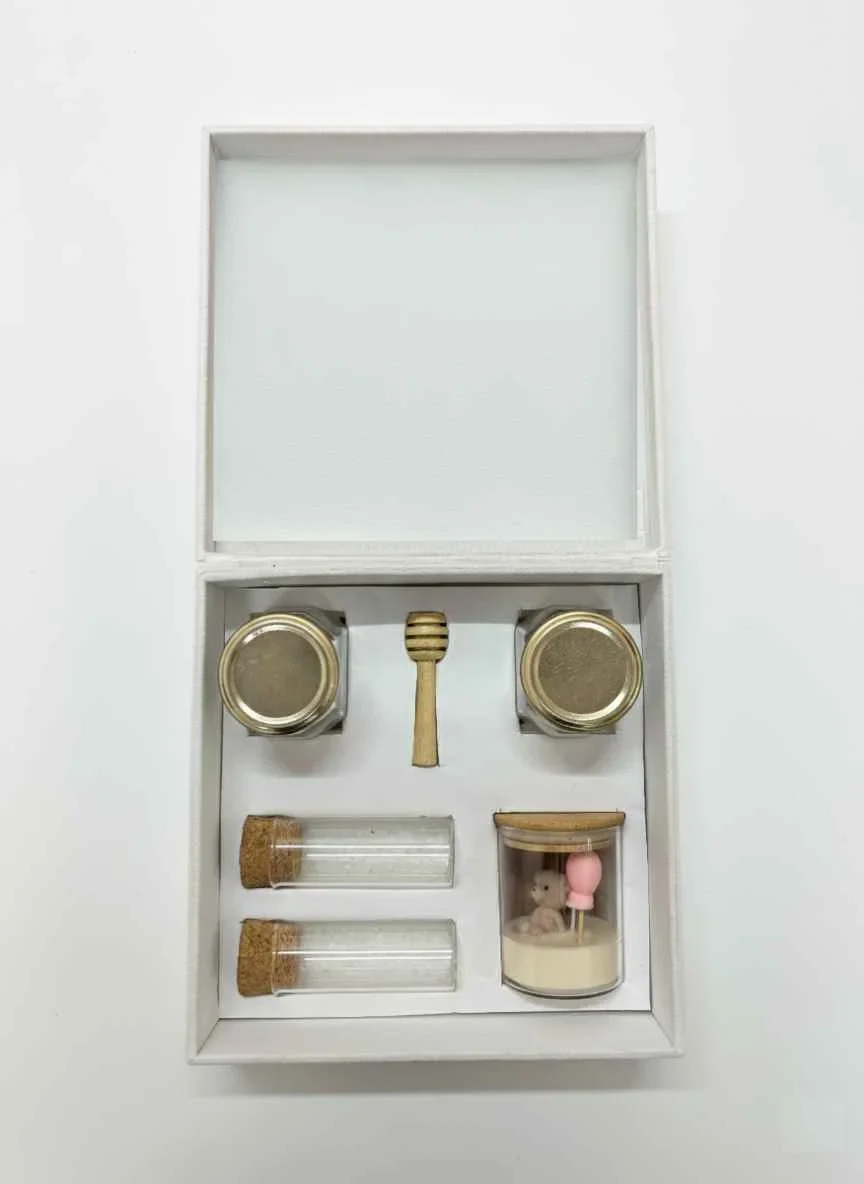
Brands are increasingly designing packaging as a sequential experience rather than a single container a lid to lift, tissue to move aside, a card or note tucked inside. This mirrors exactly what’s happening in luxury event stationery, where a well-designed custom packaging box turns a simple delivery into a moment worth pausing for, rather than something opened and discarded without a second thought.
2. Minimalism Signals Quality
Clean lines, muted or neutral tones, soft-touch coatings, and restrained typography are dominating premium packaging this year. This isn’t a budget-driven simplicity it’s a deliberate choice, since minimalist design reads as confident and high-end in a way that busier, more decorated packaging often doesn’t. A single foil-stamped logo on a clean matte box frequently communicates more quality than a fully illustrated design.
3. Sustainability Is a Baseline Expectation, Not a Differentiator
Recycled cardboard, kraft paper, and biodegradable materials have moved from a nice-to-have to something a meaningful majority of consumers actively look for. The framing matters, though: brands leaning into sustainable packaging in 2026 are pairing it with warmth and craftsmanship subtle texture, embossed detail, natural tones rather than treating “eco-friendly” as a purely functional, less-premium option.
4. Personalization at Smaller Order Volumes
One of the more practical shifts this year: custom and handmade packaging is increasingly accessible in smaller batch sizes, often starting well below what used to be standard minimum order quantities. This matters enormously for boutique brands, pop-ups, and smaller gifting businesses that previously couldn’t justify custom packaging at the volumes larger manufacturers required.
5. Packaging as a Storytelling Medium
Rather than treating the box purely as protection, brands are using packaging to communicate values and identity directly a printed note about sourcing, a design motif tied to the brand’s story, or consistent branding that carries from the outer box through to interior tissue and inserts. This is where cohesion matters: packaging that feels disconnected from a brand’s other materials undercuts the very impression it’s meant to build.
6. Frustration-Free, Shareable Opening
As unboxing videos and social content have grown, the physical mechanics of opening a package have become a design consideration in their own right. Clean, self-locking closures that don’t require tape or awkward tearing create a smoother experience both for the customer and for anyone filming the moment.
Applying This to a Boutique or Luxury Brand
If you’re running a smaller brand rather than a high-volume e-commerce operation, a few of these trends matter more than others:
- Prioritize the unboxing sequence over sheer packaging size. A smaller, thoughtfully layered box with a card or ribbon detail creates more impact than an oversized box with empty space inside and it costs less to ship.
- Choose one signature material or finish, not several. A single recognizable detail a specific box color, a foil logo, a ribbon in your brand’s signature tone builds recognition faster than packaging that changes look with every product line.
- Match packaging formality to your product’s price point. A luxury gifting or event brand benefits from rigid, structured boxes similar to invitation boxes used in high-end stationery, while a more casual product line may not need that level of investment.
- Think about the pieces beyond the box itself. Favor boxes and smaller gifting containers are a natural extension of the same brand packaging strategy for businesses that ship smaller items or gifts alongside a primary product.
Common Mistakes to Avoid
- Over-designing at the expense of function. A beautiful box that’s difficult to open or doesn’t protect the product properly undermines the very brand impression it’s meant to create.
- Inconsistency across product lines. Packaging that looks like it belongs to different brands from one product to the next dilutes the recognition custom packaging is meant to build.
- Chasing every trend at once. Sustainable materials, minimalist design, and personalization all matter, but trying to signal all of them simultaneously often reads as unfocused rather than intentional. Pick the trends that genuinely reflect your brand’s values and price point, and commit to those.
Getting Started
The businesses getting the most value from custom packaging in 2026 aren’t necessarily spending the most they’re being the most deliberate. Start with a single signature material or design element that reflects your brand, make sure the unboxing sequence itself feels considered, and keep it consistent across every product and order size, so customers build recognition over time rather than encountering a slightly different experience with each purchase.
Ready to design packaging that reflects your brand’s exact identity?
Get a free design consultation with our team, and we’ll help you translate these trends into packaging that fits your brand, product, and budget.